
The UK's highest-rated pest control company on Trustpilot
Independently reviewed by real customers - 33,942+ reviews across Trustpilot and Google (as of July 2026).
4.8
out of 5
Rated Excellent on Trustpilot
25,942 Trustpilot reviews
4.6
out of 5
Google reviews
8,000+ Google reviews
RSPH (BPCA) Level 2 certified techniciansSame-day responseFree, no-obligation surveyGuaranteed treatmentsTrusted since 2010

About the Bed Bug Pest

The most common type of bed bug, and the species known to prefer human blood, is Cimex lectularius. Other species exist, but this one has adapted to human environments. Its preferred habitats are heated homes and properties where it can infest beds and sofas.

The species is most active at night, often hiding during the day - although it is not uncommon to find active bed bugs during daylight hours. For this reason they are not classed as strictly nocturnal.
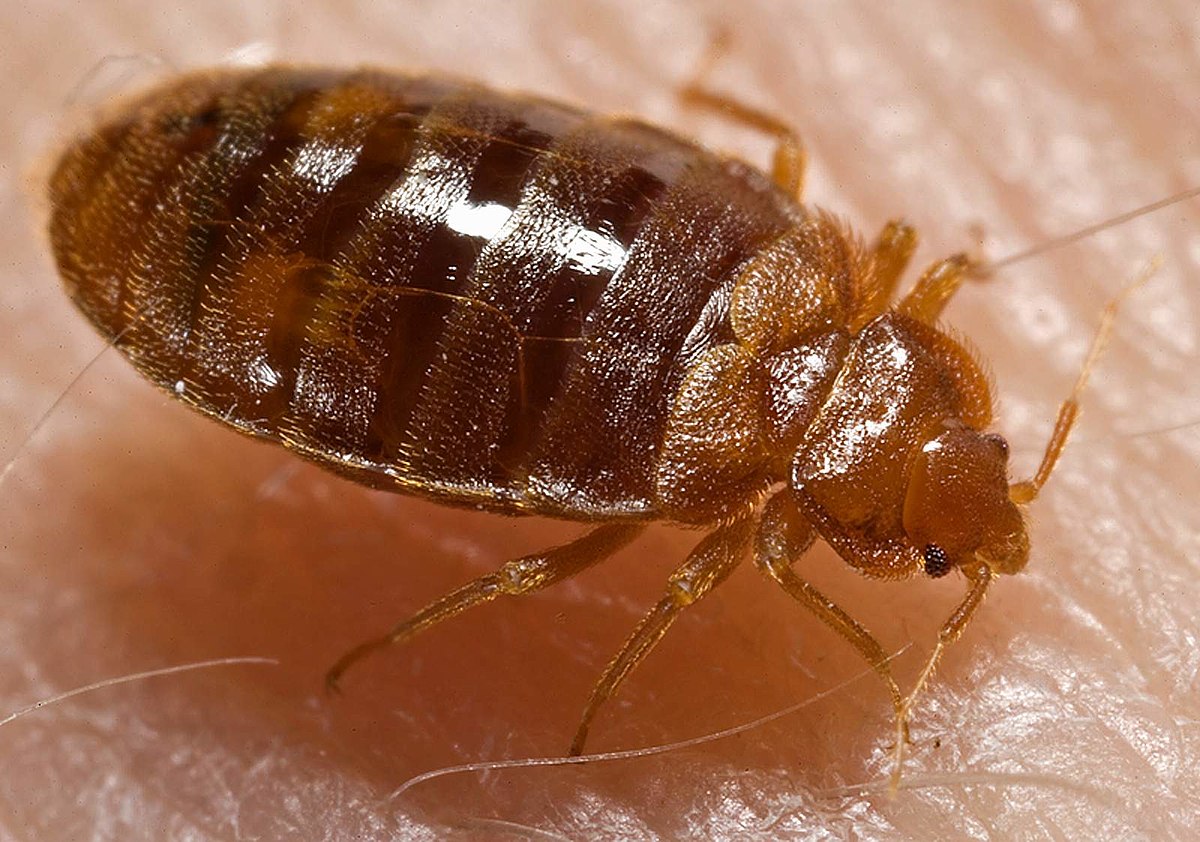
Cimex lectularius, the common bed bug, photographed close up on skin

A Global Pest on the Rise

Bed bugs are found across the globe. Their numbers have increased steadily since the mid-1990s, largely blamed on the increase in cheap air fares and international travel, as well as the bed bug's growing natural resistance to pest control chemicals.

This rising chemical resistance is one of the main reasons heat treatment has become the gold-standard approach to bed bug eradication.

Cimex lectularius - Key Facts

  • Adult size: 4-5mm (apple-pip to small fingernail)
  • Colour: red-brown, darkening after feeding
  • Lifespan: up to 12 months without feeding
  • Reproduction: a single female can lay 500 eggs

Why DIY Fails

  • Growing resistance to consumer-grade chemicals
  • Eggs are protected from most sprays
  • Hide in inaccessible cracks and crevices
  • Can survive months between feeds

More About Bed Bugs

Reviewed by our experts
Roy Couch
Written / verified by
Roy Couch, Technician Manager

Roy Couch is the Technician Manager at JG Pest Control, leading the technician team across the UK. He holds the BPCA Diploma and the RSPH Level 2 Award in the Safe Use of Aluminium Phosphide, and is qualified in the Safe Use of Rodenticides.

LinkedIn

Peter Bowers-Davis
Technically reviewed by
Peter Bowers-Davis, Non-Executive Director, BPCA

Peter Bowers-Davis is a board volunteer at the British Pest Control Association (BPCA), the UK trade body for professional pest management. He works across the Tyro UK group of companies, including JG, setting technical standards, treatment protocols and training programmes.

LinkedIn · BPCA volunteer profile