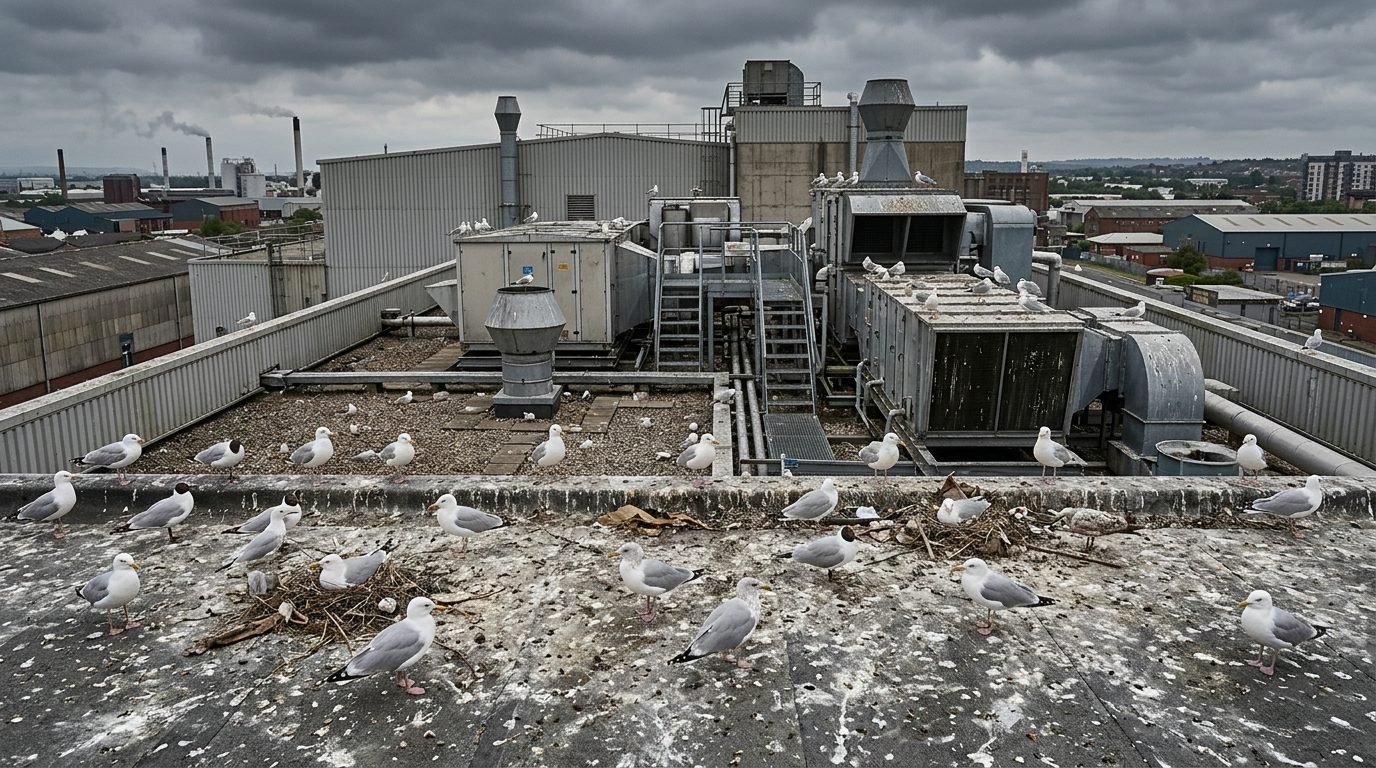
Hawking and Falconry Bird Control

It is not the first method that comes to mind, but the use of a hawk or similar bird of prey to deter large flocks of seagulls or pigeons is a simple, mess-free way of keeping certain areas free of flying pests. If you watch Wimbledon, you may have seen their annual feature on the Harris Hawk that keeps pigeons off the open-air courts.

Areas where large numbers of people gather - sports stadiums, universities, town centres - produce a lot of food waste that attracts birds. Construction sites also offer opportunities for nesting that disrupts work. Hawking solves both problems quickly.

JG Pest Control offers bird-of-prey services across the UK including London, the North-West and the Midlands. The service is equally effective in urban and rural settings.

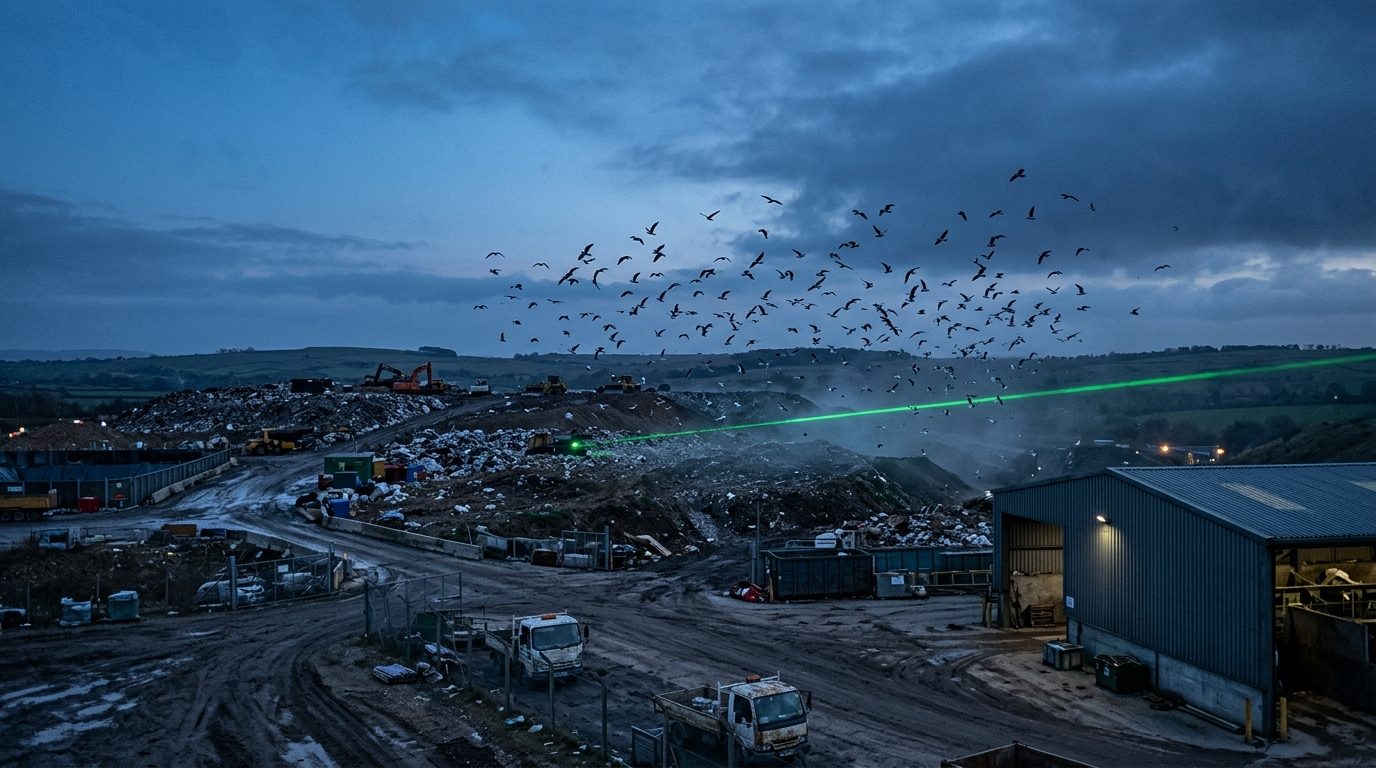
YouTube video

How Hawking Works

The approach is straightforward. Bird handlers fly hawks or falcons through the affected area a number of times over a prolonged period, teaching the local bird population that the area is unsafe and encouraging them to find somewhere else to nest and feed. Hawks and other predatory birds used this way are taught to scare species that would otherwise be their prey.

The big advantage of bird-of-prey control is that there is nothing to install or maintain. Our professional, qualified handlers have strong bonds with their birds and can schedule visits according to your requirements and the scale of the problem.

Best For

  • Football stadiums and sports arenas
  • University campuses and large public spaces
  • Active construction sites where proofing is not yet possible
  • Heritage and listed buildings where fixings are restricted

Why It Works

  • No installation or maintenance on the building
  • Quick to deploy and easy to schedule around events
  • Humane - birds are trained to scare, not kill
  • Zero chemicals, zero ongoing equipment cost

More Bird Control