
Bitten or Stung? Start Here
Waking up with itchy red marks, or catching a sharp sting in the garden, leaves most people asking the same question - what was it? Getting the answer right matters, because some bites and stings are a harmless one-off, while others are the first clue that a pest has moved in and is breeding close by.
This guide covers the bites and stings we are asked about most across your area and the rest of the UK. Use it to narrow down what you are dealing with - and if the marks keep coming back, especially overnight or indoors, that usually means an active infestation rather than bad luck. If you think a pest is behind it, get in touch and we will help you work out what is going on.
Bites Versus Stings
It helps to know the difference. A bite comes from an insect feeding on blood or nipping in defence - bed bugs, fleas, mosquitoes and some spiders all bite, and bites tend to appear in clusters or lines on skin that was left exposed. A sting is a venom-delivering jab from the tail end of a wasp, hornet or bee, and is usually a single, instantly painful spot that swells quickly.
Bites that appear while you sleep, return night after night, or affect several people in the same household are the ones most likely to mean a pest problem indoors. Stings usually mean a nest somewhere on or near your property.
Bite and Sting Identification at a Glance
Use this quick reference to narrow down what bit or stung you, then read the fuller detail on each one below. Remember: if the marks keep coming back, especially overnight or indoors, the pest is usually still there.
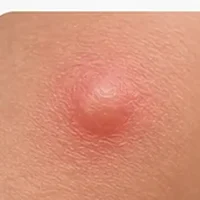 Mosquito
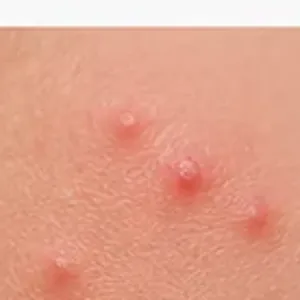 Gnat or midge
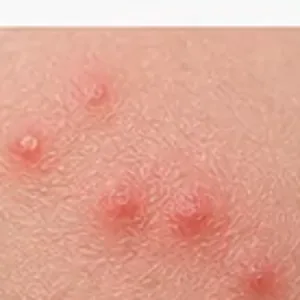 Flea
Flea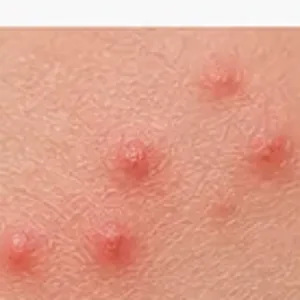 Bed bug
 Wasp
Wasp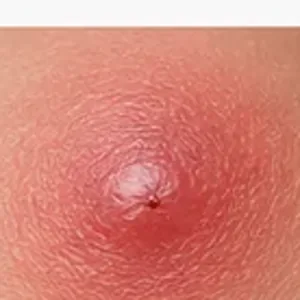 Hornet
Seek medical help for difficulty breathing, dizziness, widespread swelling or any severe allergic reaction, and call 999 in an emergency. Outdoors, insect repellent and covering up reduce bites. If bites keep returning indoors, that points to a pest in the home - get in touch and we will help you identify it and deal with it.
Common UK Bites and Stings
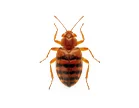
Bed Bug Bites
Small, raised, very itchy red bumps, often in a line or tight cluster of three or four on skin exposed while you sleep - the arms, shoulders, neck and face. They appear overnight and keep coming back. Repeated morning bites are the classic sign of a bed bug infestation, they rarely clear up on their own, and they need professional treatment. See our full guide to bed bug bites for how to identify and treat them.
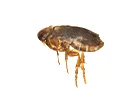
Flea Bites
Small red spots with a darker centre, usually in clusters around the ankles and lower legs, and intensely itchy. Often appear after a new pet, or after moving into a home where pets used to live. Fleas live in carpets, bedding and pet areas, so ongoing bites mean an established infestation that has to be treated at the source, not just on the animal.
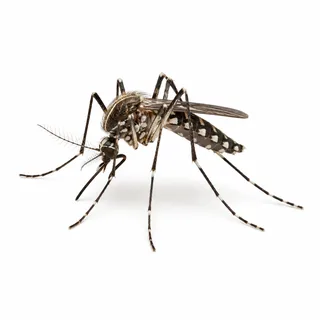
Mosquito and Midge Bites
Round, puffy, itchy lumps that show up soon after being outdoors, often near dusk and close to still water. Biting midges leave smaller, equally itchy spots in larger numbers. Usually a seasonal nuisance rather than an indoor infestation, though persistent indoor biting can point to standing water or a drain worth checking.
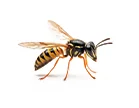
Wasp Sting
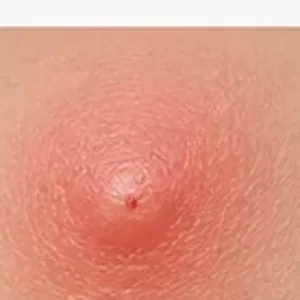
A sudden sharp pain, then a raised welt with a red centre that swells and burns. Wasps can sting again and again, and disturbing a nest can trigger many stings at once. Several wasps around the home in late summer usually means a nest nearby, best removed quickly and safely before it grows.
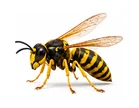
Hornet Sting
Like a wasp sting but bigger and more painful, with more swelling, because a hornet delivers more venom. It is the UK's largest stinging insect. Hornets are not aggressive away from the nest, but a threatened nest can mobilise hundreds of insects, so a hornet nest should always be dealt with professionally.
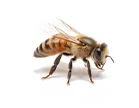
Bee Sting
A sharp sting with a red, swollen lump, and a honey bee usually leaves its barbed sting behind in the skin. Bees are not aggressive and only sting in defence. We love bees and protect them wherever we can - if you have bees rather than wasps we will aim to relocate them, not destroy the colony.
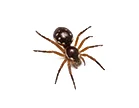
Spider Bite
Genuine spider bites are rare in the UK. The false widow is the one capable of a nip that feels like a wasp sting and can leave a red, sore swelling, with two small puncture marks the tell-tale sign. Most marks blamed on spiders turn out to be something else, but a home full of spiders points to plenty of insect prey worth investigating.
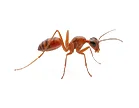
Ant Bite or Nip
The common black garden ant gives only a tiny, harmless nip. Bites that genuinely sting and leave a small white pustule usually come from red or wood ants when their nest is disturbed. Trails of ants indoors point to a nest in or near the building, and the lasting fix is treating the nest, not the ants you can see.
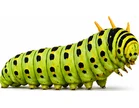
Caterpillar Rash
Not a bite at all - the tiny hairs of oak processionary moth caterpillars cause an itchy rash, and sometimes sore eyes or throat, on contact or on the breeze near an infested oak. Never touch the caterpillars or their nests. Their presence is a recognised health concern and the nests need professional removal.
Signs It Is an Infestation, Not a One-Off
- Fresh bites appearing overnight, several mornings in a row
- More than one person in the home being bitten
- Bites in clusters or lines on areas exposed while sleeping
- Bites returning within days of clearing up
- Live insects, shed skins, blood spots or droppings near beds or pet areas
When to Get in Touch
- You think bed bugs or fleas are behind repeated bites
- There are wasps, hornets or a nest on or near your property
- You have bees and want them protected and relocated
- You are not sure what you have and want it identified
Quick Clues to What Is Biting
A Word on Your Health
Most bites and stings are uncomfortable rather than dangerous and settle within a few days. Seek medical help if a sting is in the mouth or throat, if a large area swells, or if there are signs of a severe allergic reaction such as difficulty breathing, dizziness or swelling of the face - call 999 in an emergency. We are pest control specialists, not medical advisers, so for symptoms always speak to a pharmacist, GP or NHS 111.
Where we can help is with the cause. If the bites keep coming, the pest is still there. If you think you have bed bugs, fleas, wasps, hornets or another biting or stinging pest, get in touch now and we will help you identify the problem and deal with it properly.
Bites and Stings Questions
Bites that appear overnight, in lines or clusters on skin left uncovered, are most often bed bugs, especially if they come back morning after morning. Fleas are the other common culprit, though they tend to bite lower down around the ankles. Both mean an active infestation indoors that needs treating, so it is worth getting it identified rather than waiting for it to pass.
A bite comes from an insect feeding or nipping and is usually itchy, often in clusters - think bed bugs, fleas, mosquitoes and spiders. A sting is a sudden, sharp, painful jab from a wasp, hornet or bee, normally a single spot that swells fast. Bites that return overnight suggest a pest indoors; stings suggest a nest nearby.
Usually, yes. Bed bugs feed at night and bite the same person repeatedly, so fresh bites several mornings running point to bugs living in the bedroom, in the mattress seams, headboard or nearby cracks. They do not clear up on their own and shop-bought sprays rarely reach them, so professional treatment is the reliable way to be rid of them.
They can be. Fleas live in carpets, bedding and the places pets rest, not on people, so bites around the ankles often mean fleas are established in the home. Treating the pet alone will not solve it - the carpets, soft furnishings and pet areas have to be treated too, which is where a professional treatment makes the difference.
For most people a single sting is painful but not dangerous. The real risks are multiple stings from a disturbed nest, a sting in the mouth or throat, or a severe allergic reaction in someone who is sensitive. If you are seeing several wasps or hornets around the property there is likely a nest, which is best removed quickly and safely before it grows larger.
Genuine spider bites are rare here. The false widow is the only UK spider whose bite is comparable to a wasp sting, leaving a sore, red swelling, and usually only if it is trapped against the skin. Most marks blamed on spiders are actually something else. A lot of spiders in the home is more a sign there is plenty of insect prey about.
Invisible biters are often bed bugs, fleas or tiny biting mites, all of which hide away between meals. The pattern is the clue: overnight bites point to bed bugs, ankle bites to fleas. The most reliable way to know is to have it checked - we can often identify the pest from the bite pattern and any evidence in the room, then treat it at the source.
We can help work out what is behind the bites from the pattern, where and when they happen, and any signs in your home, then deal with the pest responsibly. Get in touch with a few details, and a photo if you have one, and we will point you in the right direction and arrange treatment where it is needed.
Deal With the Pest

Roy Couch is the Technician Manager at JG Pest Control, leading the technician team across the UK. He holds the BPCA Diploma and the RSPH Level 2 Award in the Safe Use of Aluminium Phosphide, and is qualified in the Safe Use of Rodenticides.

Peter Bowers-Davis is a board volunteer at the British Pest Control Association (BPCA), the UK trade body for professional pest management. He works across the Tyro UK group of companies, including JG, setting technical standards, treatment protocols and training programmes.