Home›Services›
Bed Bug Bites: How to Identify Them and What to Do
Bed Bug Bites: How to Identify Them and What to Do
Bed bug bites are usually painless at the time and only show up hours later. Here is what they look like, how to tell them apart from flea and mosquito bites, how to treat them, and why repeated bites mean you need professional treatment.
When a bed bug feeds it injects a tiny amount of anaesthetic, so you will not feel a pinch or nip at the time. A reaction often does not appear for a few hours, sometimes a day or two, and occasionally not at all. Bed bugs feed at night while you sleep, drawn to your body heat and the carbon dioxide you breathe out, then retreat to hide in mattress seams, the headboard and nearby cracks.
The good news is that bed bugs are not known to transmit disease to humans. The bad news is that they breed quickly, so a few bites can become a serious infestation if it is not dealt with.
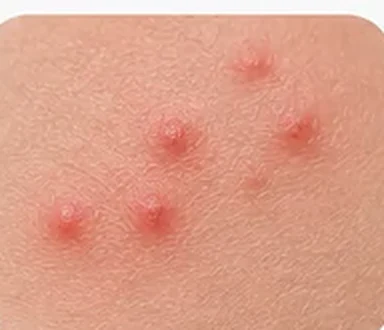
People react very differently, which is exactly why bed bug bites are hard to pin down from a photo alone. Some people develop angry red rashes, raised bumps and swelling; others show almost nothing, and showing nothing does not mean you have not been bitten.
The most reliable clues are the pattern and the timing: small, itchy, raised red bumps, often with a darker dot in the centre, appearing in a rough line or tight cluster of three or four on skin that was uncovered while you slept, such as the arms, shoulders, neck, hands and face. They appear overnight and, crucially, they keep coming back.
How To Spot Bed Bug Bites
Appear in lines or tight clusters of three or four
Usually on the arms, shoulders, neck, hands and face
Itchy red bumps, often with a small dot in the centre
Reaction is typically delayed by hours or even days
Show up overnight and keep returning morning after morning
Bed Bug Bites vs Other Bites
Flea bites cluster around the ankles and lower legs
Flea bites are felt at once; bed bug bites are not
Mosquito bites are single puffy lumps after being outdoors
Bed bug bites line up on areas exposed while sleeping
Bed Bug Bites or Something Else?
It can be genuinely tricky to tell a bed bug bite from a flea, mosquito or other insect bite, but there are reliable clues. If you feel the bite happen and the marks are mainly on your ankles or lower legs, fleas are the more likely culprit. Bites you only notice later, appearing on the torso, neck, hands, arms or upper legs, are far more typical of bed bugs. A single puffy lump after an evening outdoors is usually a mosquito or midge. Bites that affect more than one person in the household, or come back within days of clearing up, point strongly to an indoor infestation rather than bad luck.
Still not sure what bit you? Our full guide to bites and stings compares bed bug, flea, mosquito, wasp, hornet and other common bites and stings side by side.
How Long Do Bed Bug Bites Last, and How Do You Treat Them?
Most bed bug bites clear up on their own within a week or two and need no medical treatment. For the itching, an over-the-counter antihistamine or a mild steroid cream from a pharmacist usually helps, and it is best to avoid scratching, which can break the skin and lead to infection. If a reaction is severe, spreads, or does not settle, speak to a pharmacist, your GP or NHS 111, as we are pest control specialists, not medical advisers. Seek urgent help if there are signs of a serious allergic reaction such as difficulty breathing, dizziness or swelling of the face; call 999 in an emergency.
Signs the Bites Mean an Infestation
Fresh bites several mornings in a row
More than one person being bitten
Small blood spots or dark droppings on the sheets
Shed skins or live bugs in mattress seams and the headboard
A sweet, musty smell in a badly infested room
Why DIY Rarely Works
Eggs resist most shop-bought sprays
Bugs hide deep in cracks the spray never reaches
Survivors simply re-breed within weeks
Heat treatment kills all life stages in one visit
If the Bites Keep Coming, the Bed Bugs Are Still There
This is the single most important thing to understand about bed bug bites: they are a symptom. Treating the bites soothes your skin, but it does nothing about the bugs living in the room. Bed bugs bite the same person repeatedly, night after night, and they reproduce rapidly, so the longer an infestation is left the harder and more expensive it becomes to clear.
JG Pest Control treats bed bug infestations across the UK, including fast, professional bed bug treatment with heat treatment that kills bugs and eggs together in a single visit. If you are waking up with fresh bites, get in touch for a free quote and treatment from technicians qualified to BPCA/RSPH Level 2. You can also compare different insect bites in our full guide to bites and stings.
Bed Bug Bite Questions
Usually, yes. Bed bugs feed at night and bite the same person repeatedly, so fresh bites several mornings running point to bugs living in the bedroom, in the mattress seams, headboard or nearby cracks. They do not clear up on their own and shop-bought sprays rarely reach them, so professional treatment is the reliable way to be rid of them.
The reaction is often delayed. It can take several hours or even a day or two for bites to show, which is why people rarely connect them to the night before. Once they appear, most bites clear up on their own within a week or two. Persistent or spreading reactions are worth showing to a pharmacist or GP.
Location and timing are the giveaways. Flea bites are usually clustered around the ankles and lower legs and are felt at the time. Bed bug bites are noticed later, often in lines or clusters, on areas left uncovered in bed such as the arms, shoulders, neck and face. If you have a pet, fleas become more likely; if bites appear overnight without a pet, bed bugs move up the list.
For most people, no. Bed bugs are not known to spread disease, and bites are uncomfortable rather than harmful. The main risks are intense itching, skin infection from scratching, and, rarely, an allergic reaction. Anyone with a severe reaction should seek medical advice; the lasting fix for the bites themselves is removing the bed bugs causing them.
You stop the bites by getting rid of the bed bugs. Soothing the skin with an antihistamine or pharmacist cream helps in the meantime, but as long as an active infestation is in the room the bites will keep coming. Professional treatment, including heat treatment that destroys eggs as well as adults, is the reliable way to end them for good.
Bites that appear overnight, often in a line or small cluster, are usually the first thing people notice. Check the mattress seams, the edge of the headboard and nearby skirting for small rust-coloured or black spots, tiny pale eggs or shed skins, and live bugs about the size of an apple seed. A faint sweet, musty smell in a heavily affected room is a later sign.
Flea bites, mosquito bites, mite bites and skin conditions such as hives or eczema are all regularly mistaken for bed bug bites. The pattern helps: bed bug bites tend to appear overnight on skin left uncovered in bed, often in lines or clusters, and keep coming while the bugs are in the room. If you are unsure, checking the bed for the signs above, or having a technician inspect, settles it.
Roy Couch is the Technician Manager at JG Pest Control, leading the technician team across the UK. He holds the BPCA Diploma and the RSPH Level 2 Award in the Safe Use of Aluminium Phosphide, and is qualified in the Safe Use of Rodenticides.
Peter Bowers-Davis is a board volunteer at the British Pest Control Association (BPCA), the UK trade body for professional pest management. He works across the Tyro UK group of companies, including JG, setting technical standards, treatment protocols and training programmes.
Real reviews left on Trustpilot by JG Pest Control customers who mention bed bug treatment.
★★★★★
I was unsure whether I had bed bugs. I had small black dots on my mattress and bedding and became itchy all over once I got into bed. I had no bites but I just wanted reassurance that there was nothing ‘nasty’ in my room. I rang and was booked to have a survey the following. Nico arrived and checked my room and my spare room and reassured me that there were no bed bugs! Job well done!
★★★★★
Jason arrived and was very kind cheery and more than helpful in a stressful situation trying to cope with the worry and upheaval of moving everything in prep of heat bed bug extermination
He is clearly very experienced with this type of work
He is so nice and kind and caring
A big thank you Jason from a95 and 87 pair of “oldies “
★★★★★
Had problems with bed bugs. Had to have a few visits. Hopefully the problem is sorted. Staff are very friendly
★★★★★
Bed bugs…
Very professional and explained everything in a way you could understand
Would definitely recommend there service.
Contains information related to marketing campaigns of the user. These are shared with Google AdWords / Google Ads when the Google Ads and Google Analytics accounts are linked together.
90 days
__utma
ID used to identify users and sessions
2 years after last activity
__utmt
Used to monitor number of Google Analytics server requests
10 minutes
__utmb
Used to distinguish new sessions and visits. This cookie is set when the GA.js javascript library is loaded and there is no existing __utmb cookie. The cookie is updated every time data is sent to the Google Analytics server.
30 minutes after last activity
__utmc
Used only with old Urchin versions of Google Analytics and not with GA.js. Was used to distinguish between new sessions and visits at the end of a session.
End of session (browser)
__utmz
Contains information about the traffic source or campaign that directed user to the website. The cookie is set when the GA.js javascript is loaded and updated when data is sent to the Google Anaytics server
6 months after last activity
__utmv
Contains custom information set by the web developer via the _setCustomVar method in Google Analytics. This cookie is updated every time new data is sent to the Google Analytics server.
2 years after last activity
__utmx
Used to determine whether a user is included in an A / B or Multivariate test.
18 months
_ga
ID used to identify users
2 years
_gali
Used by Google Analytics to determine which links on a page are being clicked
30 seconds
_ga_
ID used to identify users
2 years
_gid
ID used to identify users for 24 hours after last activity
24 hours
_gat
Used to monitor number of Google Analytics server requests when using Google Tag Manager