
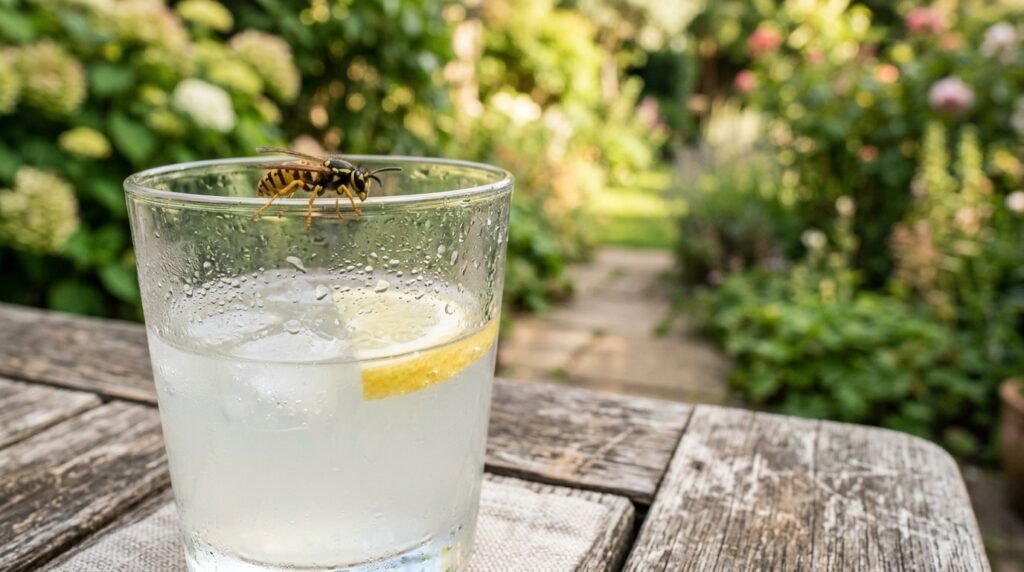
Very few people have a soft spot for wasps. They are the uninvited guest at every outdoor event, the menace circling your picnic, the buzzing pest that hovers over your drink in a pub beer garden. Beyond the irritation there is a real worry too, because a wasp can sting at any moment, and for some people that sting can be life threatening.

We are wasp removal specialists at JG Pest Control, and we clear these awkward, sometimes dangerous pests from homes and businesses across the country.
Wasps have been around for an astonishingly long time, by some estimates more than 200 million years. You will recognise them by their slim bodies and yellow and black markings, though from a distance they are easily mistaken for bees or hornets. One detail catches a lot of people out: only the female wasp carries a stinger at the end of her tail.
How to tell if you have a wasp nest
If you suspect a nest, start by watching for activity. The nest itself is often hidden, but the comings and goings rarely are, and they tend to peak through the middle of summer. Look for wasps slipping in and out of a small hole in a wall, a shed or a tree. Where there is a steady stream of traffic at one point, the nest is almost certainly just behind it.
Lofts and sheds are favourite spots, but plenty of nests are built at ground level too. Compost heaps, the space under a child’s playhouse and gaps in low garden walls are all common choices.
Why you should not remove a nest yourself
A wasp nest is made from chewed wood and saliva, which sets into a light, papery, waterproof shell. Once you have seen one, it is unmistakable. We strongly advise against removing it yourself. The wasps are guarding their nest and their queen, and they will attack anyone who tries to move or damage it.
Leave it to people who do this every day. Call our wasp removal team and we will take the nest out of your home or business safely.