
Tiny brown beetles appearing on the walls and window sills of a new build or a freshly plastered room are almost always plaster beetles - mould-feeders that arrive with damp plaster and leave when it dries. They are harmless, but big or persistent numbers are telling you something about moisture. JG Pest Control identifies them properly and treats where needed. We are open every day except Christmas Day, early until late.
Get an identification and quote
What are plaster beetles?
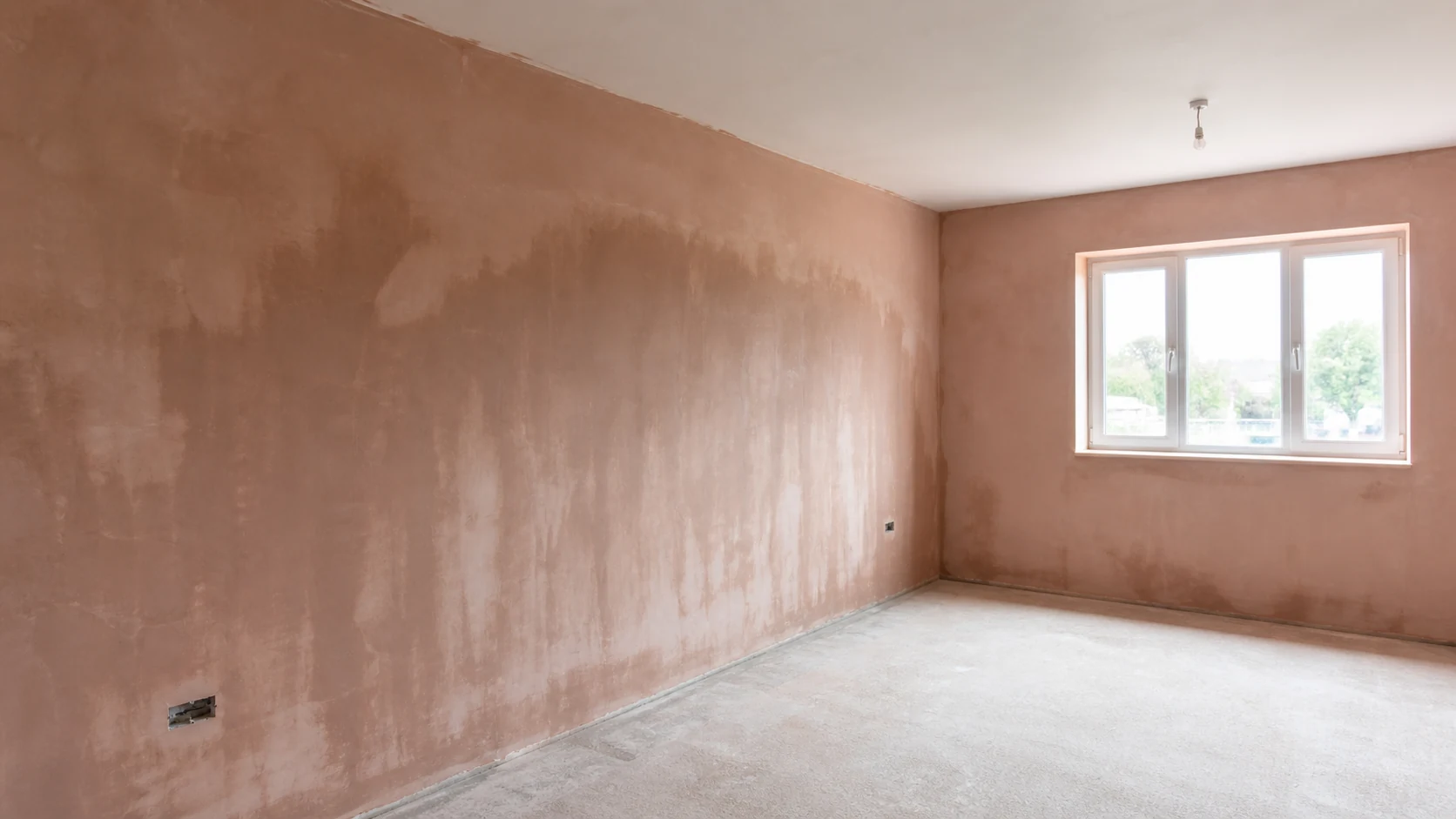
Plaster beetles are a family of very small (1-3mm) brown to almost-black beetles that feed exclusively on moulds and mildew - including the microscopic films that grow on drying plaster, damp wallpaper paste, humid loft timbers and poorly ventilated voids. They neither eat nor damage the building itself, your food or your fabrics; the mould is the whole story. They are a fixture of brand-new houses in their first year, while construction moisture dries out of the plaster, screed and timbers.
Where they turn up
- New builds and newly plastered or screeded rooms, typically in the first six to twelve months.
- Bathrooms, kitchens and bedrooms with condensation problems.
- Behind wallpaper and around window reveals where mould films form.
- Damp cellars, under-stairs cupboards and roof voids.
- Around stored cardboard and paper kept somewhere humid.
Are plaster beetles a problem?
Not in themselves - no bites, no stings, no disease, no damage. The real information is in the numbers: a scattering in a new build is normal and self-limiting, while a thriving population in an older property means active mould growth somewhere, which is a damp issue worth chasing for its own sake. They are also confused with several pests that DO matter - biscuit beetles in food cupboards, woodworm beetles near timber - so identification is worth getting right. Send us a clear photo and we will identify it for free.
Getting rid of plaster beetles
Drying defeats them: heating, ventilation and dehumidifiers in the affected rooms remove the mould film they graze, and the population collapses. In new builds that process happens naturally over the first year - patience and airflow genuinely are the treatment. Where numbers are heavy or the source is hidden (a void, a leak, a chronic condensation cold spot), our technicians trace the moisture, treat harbourages where justified, and advise on the ventilation fixes that end it. Every visit is by an RSPH (BPCA) Level 2 certified and trained technician.
Frequently asked questions
Plaster beetles - mould-feeders living off the microscopic films on drying plaster. They are standard in a building’s first year and fade out as the structure dries.
No - they do not bite, spread disease, or damage the building, food or fabric. They only indicate that somewhere is humid enough for mould films to grow.
Usually they decline within the first year as construction moisture dries out. Good heating and ventilation through the first winter speeds it up considerably.
Something is damp: condensation, a leak, a cold uninsulated corner or a poorly ventilated void. The beetles are the messenger - find and fix the moisture and they go.
Several small brown beetles look alike at 2mm - biscuit beetle (a food pest) and common furniture beetle (woodworm) among them. A photo is enough for us to tell you which you have, free.