
Itchy bites that started soon after birds nested in your eaves, plus pinhead-sized crawling specks around windows, ceilings or beds upstairs - that is the classic bird mite pattern. When chicks fledge and a nest empties, the mites it supported go looking for a new host, and the nearest warm body is often you. JG Pest Control removes the nest, treats the rooms and proofs the roofline. We are open every day except Christmas Day, early until late.
What are bird mites?
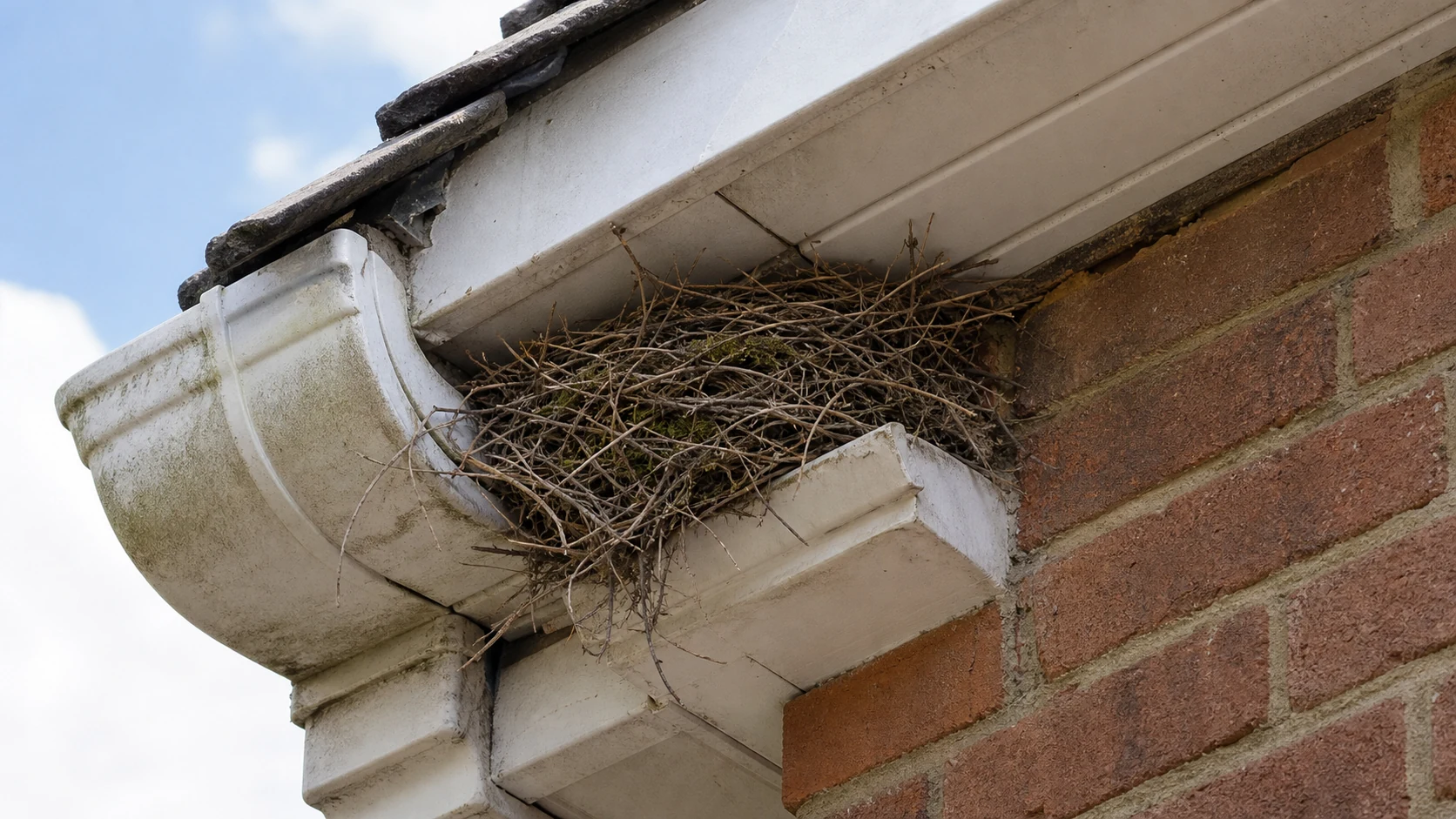
Bird mites (most often the red poultry mite and its relatives) are barely-visible parasites, under 1mm, that live in bird nests and feed on the blood of chicks and adult birds. While the nest is occupied you will rarely know they are there. The trouble starts when the birds leave - typically early to mid summer, right after fledging - and thousands of mites disperse through gaps in the soffits and ceiling in search of a new food source.
They will bite people, causing itchy, red, pinprick lesions, but here is the important part: bird mites cannot live on humans or breed indoors without birds. Without a bird host the population dwindles over weeks. Properly treated - nest out, rooms treated, roofline proofed - the problem ends rather than dragging on.
Signs of a bird mite problem
- Bites concentrated in one or two upstairs rooms, often starting suddenly in early summer.
- Tiny slow-moving specks - greyish, becoming red after feeding - on ceilings, around window frames, on bedding or walls nearest the eaves.
- A current or recent bird nest in the eaves, soffit, loft or behind the fascia directly above the affected rooms (listen for chicks in spring).
- Bites that stop matching the bed bug pattern: no blood spotting on sheets, no insects in mattress seams.
Bird mites or bed bugs?
Both cause night-time bites, and we see them confused in both directions. Bed bugs leave dark spotting on bedding and hide in the bed itself; bird mites are usually nearer windows and ceilings, trace back to a nest above, and peak just after fledging season. The treatments are completely different, so identification comes first - our bed bug treatment page covers the other possibility, and our technicians will confirm which you have.
How we treat bird mites
The fix has three parts, and skipping any one of them is why DIY attempts fail. First, the source: locate and remove the nest material (legally - we work around the bird nesting season rules, as active nests are protected). Second, treatment: a professional residual insecticide treatment of the affected rooms, voids and entry routes. Third, proofing: sealing the soffit gaps and fitting deterrents so birds do not rebuild next spring - see our bird control and proofing service. Every visit is by an RSPH (BPCA) Level 2 certified and trained technician and the work is guaranteed.
Frequently asked questions
No - they bite people but cannot survive or breed on us. Once the nest is removed, rooms treated and the roofline proofed, the population dies out rather than establishing.
Bird mites disperse downwards from a nest, so the room directly under or beside it takes the brunt. A nest in the eaves above the affected room is the usual finding.
Active nests of wild birds are legally protected, so timing matters. We work within the rules - treating the mites and proofing where needed, and removing nest material once it is lawful to do so.
Slowly, sometimes - but new bites can continue for weeks, and the empty nest invites both next year’s birds and other pests like carpet beetles. Treatment and proofing ends it properly.
Check the bed: bed bugs leave dark spotting and live in seams and the frame. Mite bites trace to nests near windows, ceilings and eaves instead. We confirm the species before treating, so you never pay for the wrong treatment.